

Member Feature
Sarah Hager Brings an Educator’s Mindset to Medical Device Training
From special education classrooms to operating rooms, Sarah Hager has built a career around helping clinicians and field teams develop practical skills. Her work in neuromodulation, pelvic health and professional education reflects a consistent commitment to learning grounded in real-world needs.
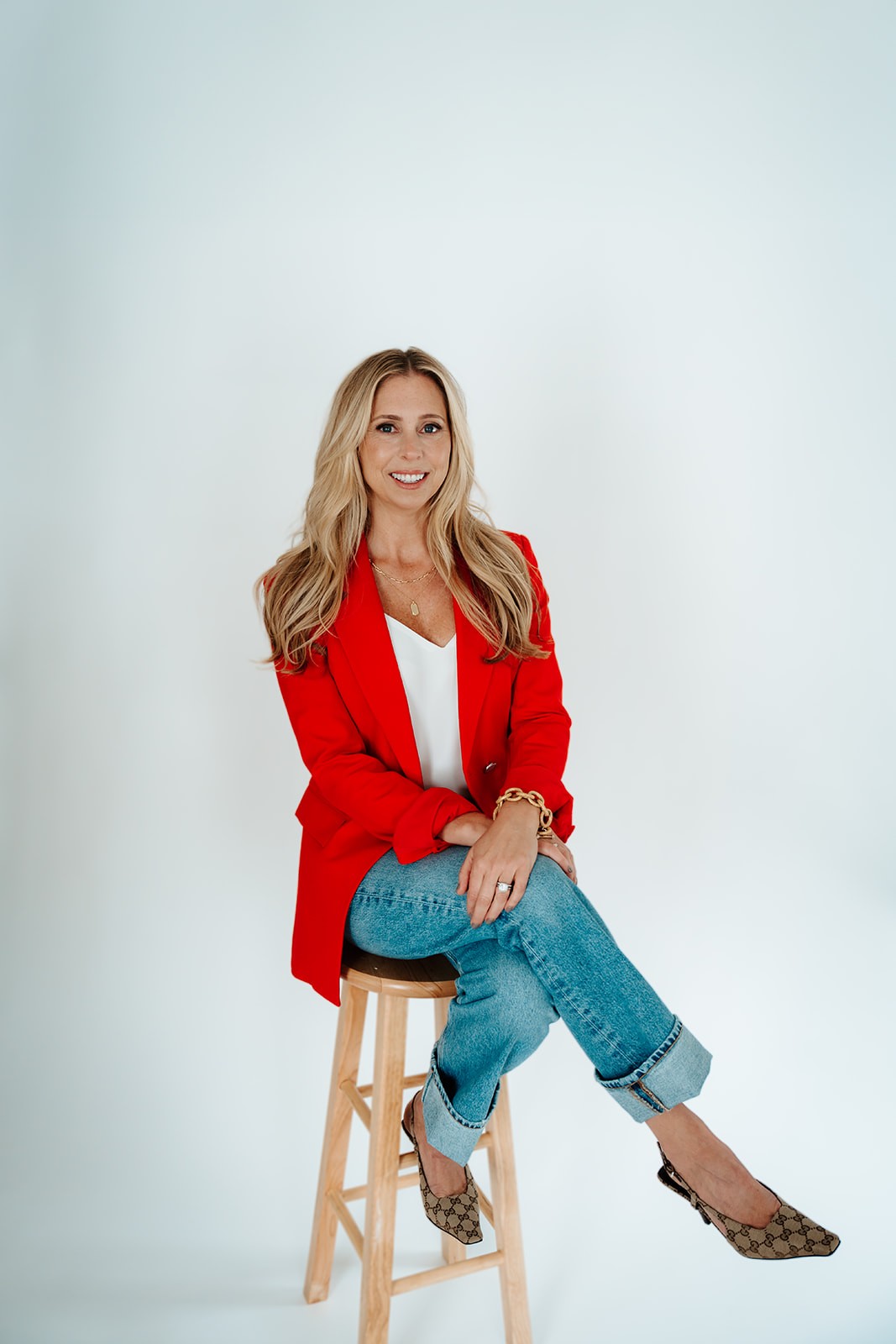
For Sarah Hager, professional education is not separate from the environments where people put knowledge into practice. It is shaped there. Across her medical device career, she has spent time with clinicians, patients, sales teams and faculty, often learning directly from work in the field and the operating room. Those experiences have informed curricula designed to help learners move beyond observation and build the confidence to apply new skills.
Based in Saint Paul, Minnesota, Sarah works in Professional Education & Engagement. Her career has centered on translating complex clinical and technical information for audiences that range from new field hires to experienced healthcare professionals. Although the settings and learners have changed, education has remained the connective thread.
From special education to medical devices
Sarah began her career as a special education teacher and earned a Master of Education before moving into the medical device field. That foundation gave her experience considering how different people learn, identifying where they need support and creating structures that make complicated material more approachable.
In medical devices, her learners became surgeons, advanced practice providers and sales teams. The classroom also expanded. Training could take place in a formal educational program, alongside a field team or in an operating room where the practical demands of a therapy were immediately visible.
Rather than treating curriculum as a fixed set of information, Sarah has approached it as a bridge between technical knowledge and real-world performance. Her work has involved understanding what learners must know, what they must be able to do and what preparation can help them progress from watching a procedure to performing tasks and, eventually, teaching others.
Building education around field needs
At Medtronic, Sarah spent 11 years across Neuromodulation Technical Services, Pelvic Health Medical Education and Pelvic Health Sales Training. She supported clinicians and patients using InterStim and served as an InterStim subject-matter expert. She also developed global curricula for healthcare professionals and trained new field hires in programming and post-implant care.
Her curriculum work was informed by direct exposure to the questions and challenges encountered outside a conventional classroom. Sarah rode with sales representatives and District Managers and spent time in the operating room to better understand what field teams and healthcare professionals needed from training. That perspective helped keep educational materials connected to the situations learners would face in practice.
For the NURO launch, she built the curriculum and trained healthcare professionals. The assignment brought together several elements that have defined her work: learning a therapy’s technical requirements, organizing that information for adult learners and preparing healthcare professionals to use their knowledge in practical settings.
Expanding professional education
More recently, Sarah led Women’s Health professional education at Coloplast while also supporting Endourology professional education for the field. Once again, much of her time was spent where learning and practice intersected: in operating rooms and in the field with sales teams and faculty.
Her responsibilities also extended to national urology and urogynecology society meetings. She represented Coloplast at those gatherings, ran symposia, led leadership meetings, met with society boards and worked with fellows and residents. These settings required education suited to participants with different roles and levels of experience, while remaining focused on the clinical and professional context of the work.
Sarah also developed a hands-on curriculum for advanced practice providers. The program reflected her broader emphasis on active learning and skill development. Across her roles, she has worked with physicians, advanced practice providers and field teams as they build the capabilities needed to bring therapies to patients.
A consistent focus on practical learning
Much of Sarah’s medical device career has centered on women’s pelvic health, alongside work in neuromodulation and endourology education. Within those areas, her contribution has remained rooted in teaching: making technical material understandable, aligning education with field realities and helping learners advance toward greater independence.
Her path from special education to medical device training demonstrates how an educator’s skills can transfer across markedly different environments. Whether supporting a new hire, developing experienced clinicians as faculty or creating hands-on instruction for advanced practice providers, Sarah begins with the learner and the work that learner must be prepared to do.