
Member Feature
Victoire Cleren Builds Technology Around Nonprofit Missions
As Chief Technology Officer of Share My Meals, Victoire Cleren draws on more than a decade of nonprofit experience to develop systems, inform decisions, and guide the responsible adoption of emerging technology.
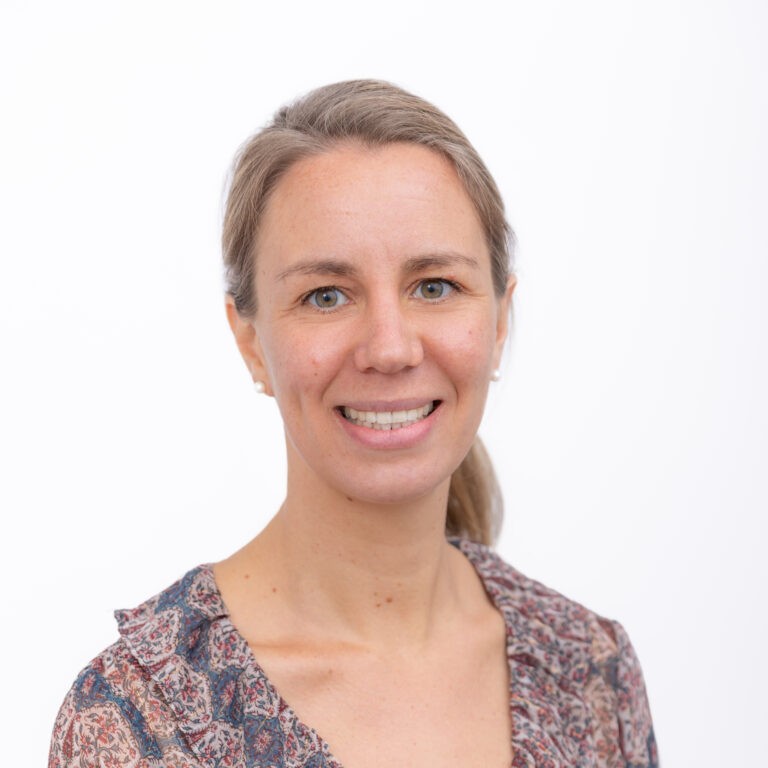
For Victoire Cleren, technology is most useful when it helps people carry out a mission more effectively. Across more than a decade in nonprofit organizations in the United States, Europe, and Latin America, she has worked on challenges spanning food insecurity, public health, youth entrepreneurship, and international development. Although the settings and responsibilities have varied, a consistent theme has emerged: building the structures, processes, and shared understanding that allow an organization to extend its reach.
Now Chief Technology Officer of Share My Meals, Victoire brings that approach to a nonprofit that recovers surplus meals from business cafeterias and redistributes them to families in need. Her work sits at the intersection of operational realities and long-term technology planning. She collaborates with organizational leadership on technology strategy, advises on investments and risks, and helps guide the responsible use of artificial intelligence.
From operations to technology leadership
Victoire’s path to the CTO role grew directly from her operational work at Share My Meals. She joined the organization as Chief Operating Officer and spent four years leading programs, partnerships, and the budget. Those responsibilities gave her a close view of how systems can either support a growing mission or create obstacles for the people delivering it.
During that period, she led the design and implementation of a Salesforce-powered logistics platform in partnership with Accenture. The project connected technology to a concrete organizational need: supporting food recovery operations. It also sharpened her interest in how thoughtfully selected and implemented tools can strengthen a nonprofit’s capacity.
That experience helped lead Victoire into her current position. Rather than treating technology as a separate function, she approaches it as part of the organization’s broader strategy. Decisions about platforms, data, security, and emerging tools must account for how teams work, what the mission requires, and which risks an organization is prepared to manage.
Connecting data with decisions
Victoire developed this perspective through roles encompassing fundraising, program management, operations, and data. Before Share My Meals, she worked at Keep a Child Alive, the French Institute Alliance Française, Second Servings of Houston, and Accion Emprendedora in Chile. Her responsibilities included implementing and managing customer relationship management systems such as Salesforce and Raiser’s Edge, as well as training colleagues to use them.
These experiences reinforced that installing a system is only one part of meaningful technology adoption. A tool also needs useful processes, reliable information, and people who understand how it supports their work. Victoire’s strengths lie in bringing those elements together—creating structure through technology, translating data into better-informed decisions, and aligning colleagues around a common goal.
Her program experience has also crossed organizational and geographic boundaries. She coordinated a COVID-19 emergency food program operating in 11 countries. In Chile, she helped secure a USD 3 million grant that enabled 2,500 young people to start businesses. These initiatives required coordination as well as attention to the systems behind delivery, reporting, and growth.
A thoughtful approach to artificial intelligence
Artificial intelligence is now a particular focus for Victoire. At Share My Meals, she guides conversations about both its potential and its risks. Her approach emphasizes responsible adoption rather than using a new tool simply because it is available. That means considering priorities, organizational readiness, data practices, security, governance, and how a technology might affect staff members and the communities an organization serves.
This focus reflects a broader goal: helping nonprofits benefit from technology without losing sight of their purpose. Resource constraints can make technology decisions especially consequential for mission-driven organizations. Clear planning and collaboration can help ensure that investments address genuine needs and that teams are prepared to use new systems effectively.
Building capacity for what comes next
Victoire is most proud when the structures she has helped create allow an organization to grow and reach more people. That outcome depends not only on technical knowledge but also on teamwork. Her career has shown her that durable change requires participation from leadership, program teams, partners, and the people responsible for maintaining day-to-day processes.
Looking ahead, she is interested in opportunities to help nonprofits adopt technology that expands their impact, with particular attention to thoughtful uses of artificial intelligence. She is also open to bringing her nonprofit background into the private sector, especially in work connected to sustainability. Across either setting, her central question remains practical and mission-focused: how can technology, data, and collaboration create the conditions for an organization to do its work better?