

Member Feature
Delia Paredes Brings Macroeconomic Insight to Board-Level Decisions
Drawing on more than two decades in government, banking, and advisory work, Delia Paredes helps leaders interpret macroeconomic and geopolitical risk. Her next chapter centers on bringing that perspective to boards and committees while contributing to public debate, teaching, and connections among women leaders.
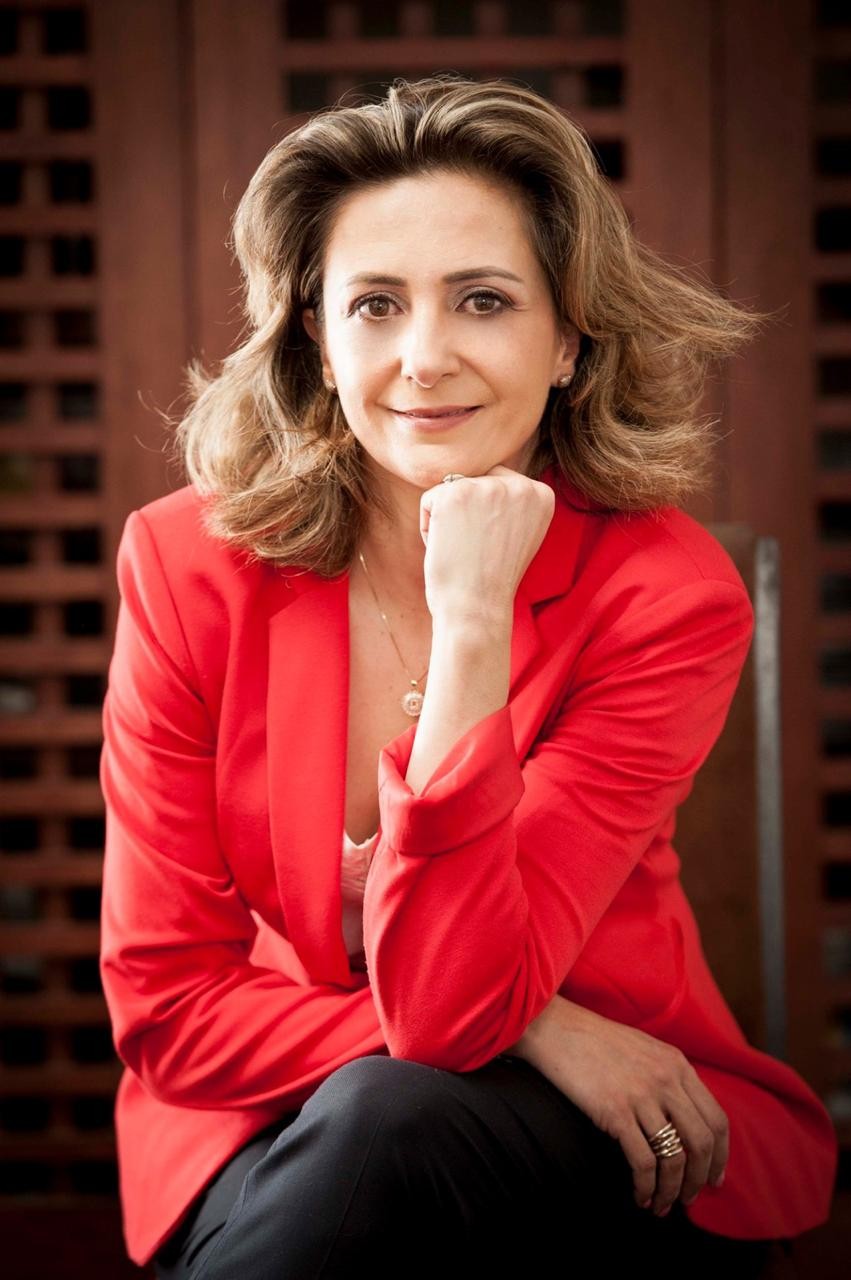
For leaders allocating capital or setting strategy, an economic shift is rarely just an abstract change in the outlook. It can alter financing choices, investment priorities, and the balance of risks facing an organization. Macroeconomist and independent strategic advisor Delia Paredes has spent more than two decades examining how economic and political forces shape those consequential decisions.
Her work has crossed government, banking, research, and private advisory settings. Today, she advises executive-level clients on macroeconomic and geopolitical risk, particularly as it affects Mexico and North America. Across those different roles, one principle has remained central: economic analysis should be clear, rigorous, and useful to the people responsible for acting on it.
Seeing policy from multiple perspectives
Delia began her career in Mexico’s public sector, working at the Ministry of Finance and PEMEX. Her responsibilities included financing strategies and large-scale investment projects, giving her direct exposure to the process and costs of policy decisions.
She later moved into finance and held leadership positions at Santander and Banorte. As Head of Economic Research at Banorte, Delia built and positioned an economic analysis team that became one of the country’s leading teams in the field. She identifies that work as one of the accomplishments of which she is proudest.
That experience also reinforced the practical role of research. Economic analysis must account for broad forces, but its value ultimately depends on whether it helps decision-makers understand the choices before them. The work requires separating meaningful signals from noise, identifying relevant risks, and presenting conclusions in a form that can inform strategy.
As a Partner at TransEconomics, Delia continued applying that perspective while advising high-net-worth clients and institutions. Her work covered macroeconomic trends, investment strategy, and risk, bringing analysis closer to decisions about portfolios, priorities, and exposure to uncertainty.
A board-focused next chapter
Now working independently, Delia is concentrating on how her experience can support boards and committees. She is interested in opportunities where knowledge of macroeconomic risk, policy, and strategy can help organizations evaluate external conditions and allocate capital under uncertainty.
This focus reflects the range of questions boards may need to consider when economic and geopolitical conditions change. A development in public policy can affect an investment case. Shifting regional dynamics can reshape assumptions about growth or risk. Financial conditions can influence both the cost and timing of strategic plans. Delia’s approach is to connect those larger forces with the specific decisions leaders must make.
Her geographic focus on Mexico and North America adds another layer to that work. Rather than treating macroeconomics and geopolitics as separate disciplines, she considers how they interact and what that interaction means for executive judgment. The objective is not complexity for its own sake, but insight that can be used in deliberation and planning.
Extending economic thinking beyond the boardroom
Delia also contributes to economic discussion through weekly articles in outlets such as Arena Pública. Writing for a broad audience calls for the same discipline she brings to advisory work: preserving analytical rigor while making complicated developments understandable and relevant.
Teaching at Universidad Anáhuac provides another setting for that commitment. In the classroom, economic ideas must be explained clearly enough for students to examine assumptions, weigh competing forces, and develop their own judgment. For Delia, teaching and public writing complement her client work by creating additional ways to turn complexity into practical understanding.
She also participates in the IMEF Economic Studies Committee, the IMEF Indicator Committee, and COMEXI, and speaks regularly about macroeconomic and geopolitical issues. Together, these activities connect her independent advisory practice with wider conversations about the economic environment.
Connecting insight, leadership, and community
Within the Association, Delia hopes to meet women who share an interest in applying expertise to leadership challenges. She wants both to mentor and to learn from women shaping their industries, recognizing professional exchange as a two-way process.
That goal aligns with the next stage of her work. Board and committee service would offer a forum for bringing together her experience in government, banking, research, and advisory roles. Community, meanwhile, offers space to exchange perspectives, support other women, and explore how specialized knowledge can contribute to collective decision-making.
Whether addressing executives, students, readers, or fellow members, Delia remains focused on a consistent task: making economic and political complexity intelligible without stripping away its significance. For organizations navigating uncertainty, that combination of clarity and rigor can help move a conversation from broad concern toward more informed choices.