

Member Feature
Linda Petelka Builds Better Systems Across Public Works and Transportation
From roadbuilding in Michigan to public works in Canada, Linda Petelka has centered her career on practical improvement. Her experience connects infrastructure, benchmarking, asset management and the operational systems that help organizations work more effectively.
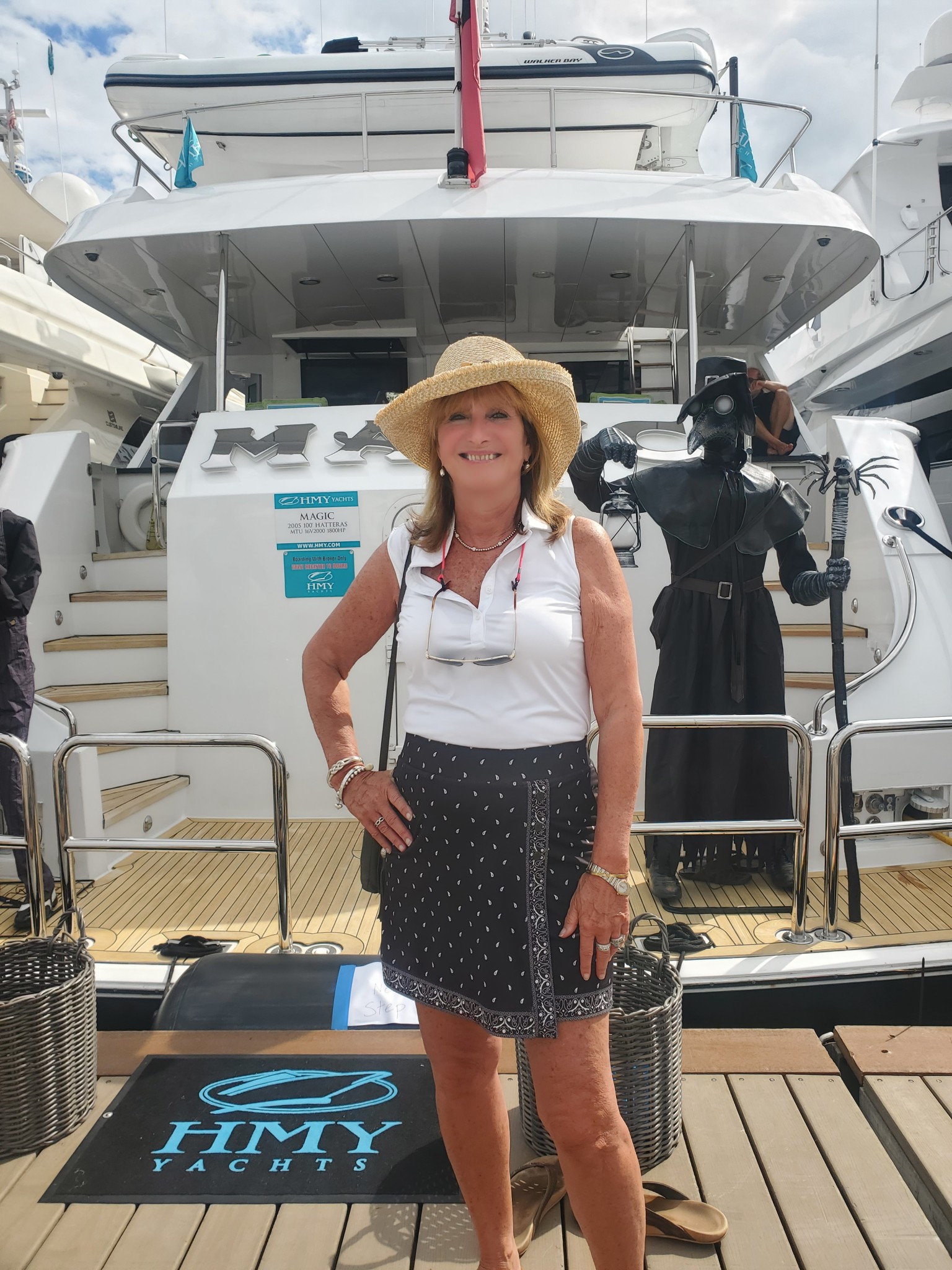
For Linda Petelka, improving an organization begins with understanding how its work gets done. Across a career that has included roadbuilding, municipal public works, asset management and transportation, she has focused on the processes behind essential operations—and on finding practical ways to make those processes stronger.
That focus took shape early in Michigan, where Linda worked for several years as a Plant Manager for Ajax Paving. The role placed her within the demanding environment of road construction, connecting plant operations with the larger task of building infrastructure. It also provided a foundation in work where planning, materials, equipment and people must come together reliably.
After marrying in 1984, she moved to Canada and began an extensive career in public works. The transition opened a long chapter devoted not only to infrastructure itself, but also to the systems municipalities use to manage services, compare performance and pursue improvement.
Turning comparison into practical change
A significant part of Linda’s public works experience was her participation in a Canada-wide public works benchmarking program. Through the program, municipalities compared their business processes and initiated improvements based on what they learned.
Benchmarking can give an organization a clearer view of its own practices by placing them alongside those used elsewhere. In Linda’s work, that comparison was tied to action. The purpose was not simply to observe differences among municipalities, but to identify opportunities to improve how work was organized and delivered.
Her focus on business improvement extended across multiple departments. That breadth mattered because public works activities do not operate in isolation. Processes can cross organizational boundaries, and a change in one area may affect planning, information management, maintenance or service delivery in another. Working across departments therefore required attention to both individual functions and the connections among them.
Strengthening asset management
As Director of Business Improvement for the Region of Halton, Linda implemented tools and projects intended to improve the Public Works department’s asset management capabilities, with a focus on water and wastewater infrastructure. The work brought together her interest in operational improvement and the long-term responsibility of managing essential public assets.
Asset management provides a framework for understanding what an organization owns, how those assets are performing and what they may require over time. For water and wastewater systems, that perspective supports decisions involving infrastructure that communities depend on every day. Linda’s role concentrated on building capabilities that could help the department manage those responsibilities more effectively.
Her public works career also included leadership within professional associations. She served as President of the Ontario Public Works Association and later as a Director for the American Public Works Association. In 2008, she received the American Public Works Association Top Ten Public Works Leader of the Year recognition.
Applying an improvement mindset in a new sector
Following a 37-year career in public works, Linda moved into the transportation arena. She is now a Director at Load Covering Solutions in Burlington, Ontario, a company that provides tarping and covering solutions for varied applications, including trucking fleets and rolling buildings.
Her current responsibilities span human resources, information technology, legal requirements and asset management. Although the setting differs from municipal public works, the portfolio continues a familiar theme: supporting the internal systems that allow an organization to function. Each area has its own requirements, yet all depend on organized information, defined responsibilities and consistent processes.
Linda’s education also reflects the combination of technical and organizational perspectives in her career. She earned a Bachelor of Science in Architecture from Detroit Mercy and later completed a degree in Change Management through the University of Toronto’s Rotman School of Business.
A career connected by better ways of working
Linda’s path has crossed sectors, borders and organizational roles, but its central thread has remained consistent. From an asphalt plant in Michigan to municipal infrastructure in Canada and operational leadership in transportation, she has worked close to the processes that turn plans into dependable results.
Her experience illustrates that business improvement is not limited to a single department or industry. It can mean comparing municipal practices, strengthening asset information, introducing new tools or coordinating the varied responsibilities behind a growing company. In each context, the work starts with careful attention to how an organization operates—and how it can operate better.