

Member Feature
Member Feature: Pina D’Angelo
Pina D'Angelo reflects on a career shaped by biostatistics, cross-functional work in pharmaceutical research and contract research organizations, and her current leadership role at Indero.
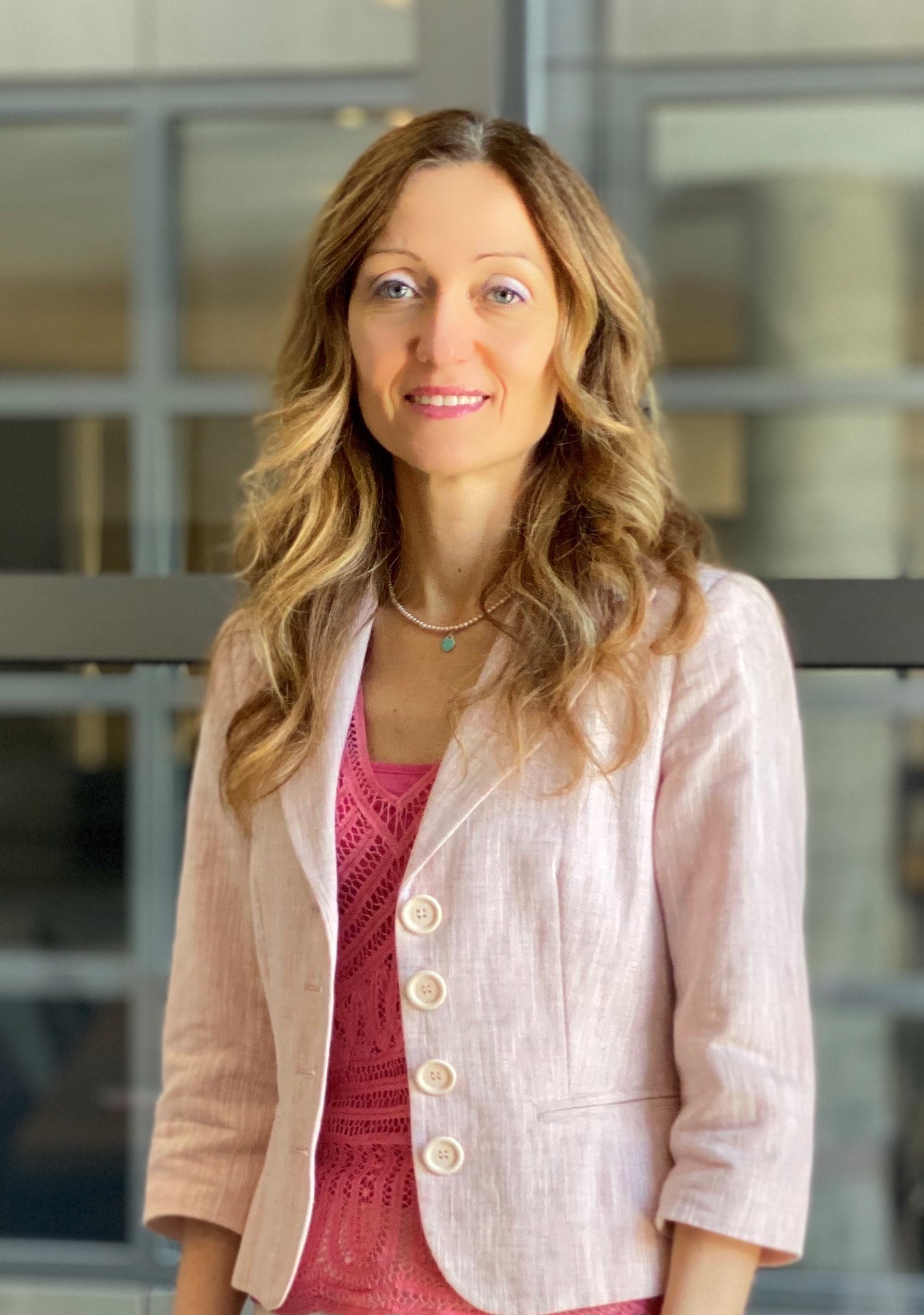
Pina D’Angelo has built her career around biostatistics and the collaborative work that supports clinical research. A graduate of McGill University in 1997, she entered the field with an academic foundation in biostatistics and went on to work across pharmaceutical companies and contract research organizations.
Her professional path reflects the many disciplines that come together in research environments. Data, medical considerations and regulatory responsibilities each bring their own questions, requirements and timelines. D’Angelo’s experience has developed at the intersection of these areas, where clear thinking and coordination can be as important as technical expertise.
Today, D’Angelo serves as Global Head of Data, Medical and Regulatory Sciences at Indero. The role brings together functions that are closely connected throughout the course of clinical research. Data can help teams understand study information; medical perspectives help keep the work grounded in its scientific context; and regulatory sciences support the careful preparation and organization required across development activities.
For D’Angelo, the continuing value of biostatistics lies in its ability to bring structure to complex questions. It is a field that depends on rigor, but it also relies on communication. Statistical work must be understood by colleagues with different responsibilities, and study teams benefit when technical considerations are discussed early and clearly.
That perspective has been shaped by experience in both pharmaceutical companies and CROs. These settings can require professionals to work with varied teams and therapeutic areas while maintaining a consistent focus on quality. Over time, the ability to translate between specialized functions becomes an important part of effective leadership. It helps create shared understanding among people who may approach the same project from different professional viewpoints.
D’Angelo has also contributed to more than 30 publications across various therapeutic areas. Publication work is one way research knowledge can be organized and shared with the wider scientific community. It also calls for precision: contributors must consider how methods, findings and context are communicated. Her publication record reflects sustained participation in work spanning multiple areas of research.
The last six years of D’Angelo’s career have been spent at Indero. During this period, she has taken on leadership responsibilities that draw on her background in biostatistics and her broader experience in research operations. Her current title signals a wide remit across data, medical and regulatory sciences, with each area contributing a distinct perspective to the work of a research organization.
Leadership in this environment is not simply a matter of overseeing separate departments. It involves recognizing the connections between functions and encouraging productive dialogue across them. Data-related decisions may have implications for medical interpretation. Medical and scientific considerations may affect the questions a team needs to answer. Regulatory planning may require teams to consider how information is documented and presented. A leader working across these areas must keep those relationships in view.
D’Angelo’s career also illustrates how a specialized academic discipline can support a broad professional journey. Biostatistics provided an entry point, while experience in pharmaceutical and CRO settings expanded the range of work she has undertaken. The progression underscores that technical knowledge can remain relevant as responsibilities grow to include strategy, collaboration and organizational leadership.
As research teams continue to navigate complex development work, the need for connected expertise remains clear. D’Angelo’s professional story is one of sustained engagement with the data and scientific processes that help support that work. From her McGill University graduation in 1997 to her present leadership position at Indero, she has developed a career grounded in biostatistics, informed by cross-functional experience and marked by contributions to published research.
For members and peers across the research community, her journey offers a reminder that careers often evolve through both specialization and connection. Deep knowledge in one area can open the door to broader responsibilities, particularly when paired with an ability to work constructively across disciplines. D’Angelo’s work continues to reflect that combination: a foundation in biostatistics and an ongoing commitment to the interrelated data, medical and regulatory dimensions of clinical research.