

Member Feature
Chukwudumebi Francisca on Building Inclusion Into Learning
The Director of Amadea Academy Limited reflects on uncertainty, steady progress and why inclusion must shape how learning is designed, communicated and delivered.
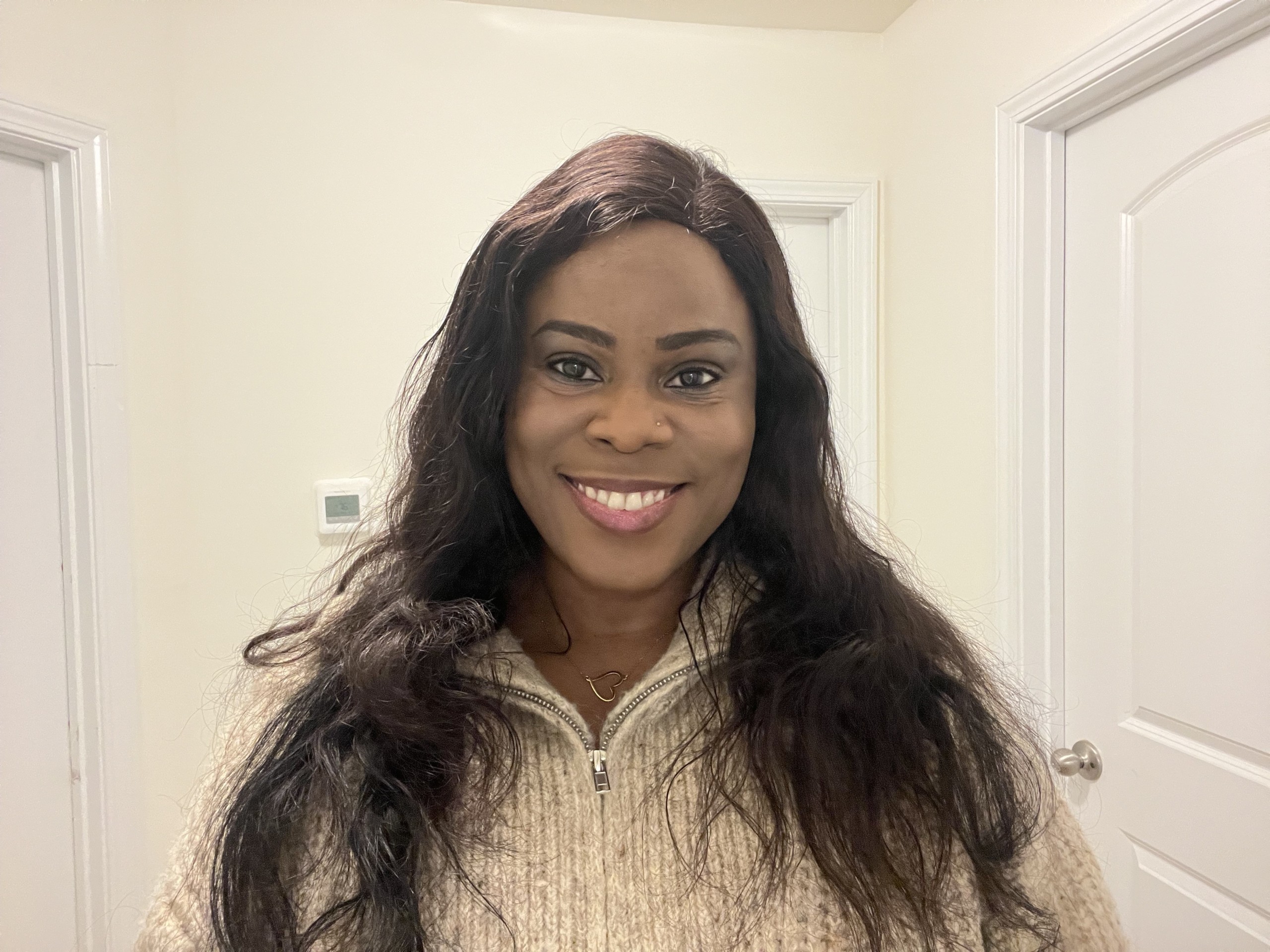
For Chukwudumebi Francisca, building Amadea Academy Limited has involved more than turning a clear idea into an organisation. It has also meant learning how to move forward when the route is uncertain, progress is difficult to measure and familiar approaches need to be reconsidered.
As Director of the e-learning company, Chukwudumebi is focused on learning experiences that give people meaningful opportunities to participate, understand and grow. Her reflections on building Amadea connect that focus with a wider lesson about leadership: a strong vision can demand patience and personal development long before it produces visible rewards.
“One thing building Amadea Academy Limited has taught me is that a meaningful vision will stretch you before it rewards you.”
Continuing when the pathway is unclear
Having a defined purpose does not always make the next decision obvious. Chukwudumebi describes periods when the central idea remained clear but the pathway toward it did not. That uncertainty raised a practical question: did the entire plan need to be revisited, or did only the most recent steps require adjustment?
Working through those moments called for patience, difficult choices and a willingness to learn and unlearn. It also required the courage to continue building when progress appeared quieter than expected. Rather than equating movement only with dramatic milestones, Chukwudumebi has come to value the importance of continuing at a sustainable pace.
This perspective presents uncertainty not as proof that the purpose is wrong, but as a condition that sometimes accompanies meaningful work. Careful reassessment can coexist with commitment. Learning may involve adding new knowledge, while unlearning may mean questioning assumptions about what advancement should look like or how quickly it should happen.
Moving inclusion from language to practice
The experience of developing Amadea has also sharpened Chukwudumebi’s view of inclusion. For her, it cannot remain an aspiration expressed in general terms. It must be visible in design, communication, teaching, leadership and decision-making.
That approach broadens the questions educators and organisational leaders might ask. It is not enough to consider who has been invited into a learning environment. Attention must also be given to whether people can access what is being presented, process it, participate in it and demonstrate their understanding without being forced into one rigid model.
Chukwudumebi is particularly concerned that conversations about inclusion can overlook neuro-inclusion and the need for adaptability. Her work is grounded in recognition that people engage with learning in different ways. Designing around a single presumed type of learner can create barriers even when the stated intention is to welcome everyone.
In practice, this means treating learner needs as part of the design process rather than as an afterthought. Communication methods, teaching choices and expectations for participation all influence whether an experience is genuinely inclusive. Adaptability is therefore not separate from quality; it is part of creating conditions in which more people can understand and contribute.
Growth as part of the work
Building an organisation around these principles has made Chukwudumebi more intentional about the relationship between purpose and growth. She does not present development as a completed stage or a lesson already mastered. Instead, she describes herself as still learning while the work continues.
That openness matters because inclusive practice is not a fixed statement. It requires ongoing attention to how decisions affect different learners, along with a readiness to revise approaches that do not create genuine opportunities for participation. The same willingness to learn and unlearn that helps Chukwudumebi navigate organisational uncertainty also supports her approach to learning design.
Her reflections return to a simple measure of progress: movement does not have to arrive through giant strides to matter. A quieter pace can still carry a purposeful vision forward. For Chukwudumebi, what matters now is that she is moving, continuing to build and allowing growth to remain part of the assignment.