

Member Feature
Katherine Byron Builds Career Connections at Scale
At Coastal Carolina University, Katherine Byron brings students, employers, alumni, faculty, and community partners together to create stronger pathways from college to career.
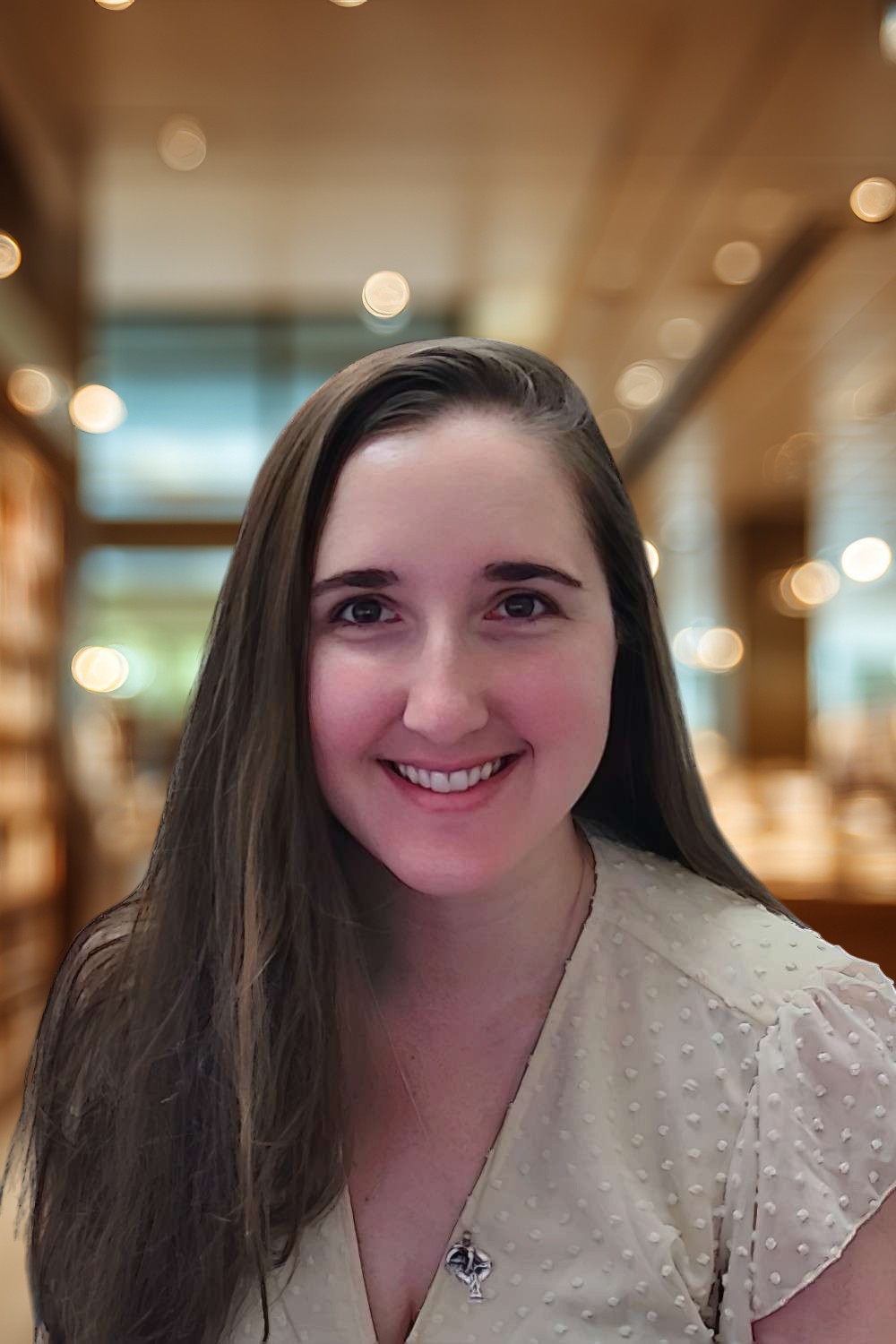
A career opportunity can begin with a formal recruitment event, but it can also emerge from a classroom conversation, a professional introduction, or an experience that helps a student imagine a different future. Katherine (Kate) Byron MSED works to create more of those points of connection as Associate Director of Employer Engagement at Coastal Carolina University.
Her role brings together students, alumni, employers, faculty, and community partners. Positioned at the intersection of higher education and workforce development, Katherine focuses on strategic employer partnerships, access to career opportunities, and initiatives that can serve students at scale. The goal is not simply to help fill an immediate opening. It is to create a stronger network around students as they prepare to move from college into their careers.
Seeing the Whole Student Journey
Katherine has spent more than a decade working in higher education, with experience spanning Academic Advising, Admissions, the Registrar’s Office, Residence Life, Spiritual Life, Student Disability Services, and Career Services. Rather than viewing those areas as separate stops, she draws on them as different perspectives on the student experience.
That breadth informs how she approaches employer engagement today. A career program does not operate in isolation from academic life, campus relationships, student support, or administrative processes. By understanding multiple parts of a university, Katherine can consider how people and systems might work together more effectively. Her work may involve strengthening a partnership, improving a process, developing an initiative, or finding a way for an opportunity to reach more students.
This cross-functional perspective also supports her identity as a connector. She connects students with possibilities, employers with emerging talent, campus partners with shared goals, and ideas with structures that can support broader participation.
Moving Beyond Transactional Recruiting
Large-scale recruitment remains an important part of Katherine’s responsibilities. She leads employer engagement efforts and recruitment initiatives, including career fairs held twice a year that bring more than 100 organizations to campus each semester.
Yet her vision for employer engagement extends beyond a single event or hiring need. She wants organizations to see themselves as partners in the student experience. That relationship can include recruiting, but it can also take shape through experiential learning, professional development, classroom engagement, and other forms of involvement with the university.
This broader model gives students more ways to learn about industries, organizations, and career paths before they become applicants. It also invites employers to build relationships with students over time and to view higher education as a meaningful workforce partner. In that framework, engagement is not limited to collecting résumés. It becomes an ongoing exchange between the university and the organizations connected to its students.
Making Access Part of the Strategy
Creating opportunity at scale is especially important to Katherine. She wants students to have access to career resources, professional relationships, and experiences that clarify what may be possible after college. Scalable programs matter because access should not depend on a student happening to enter the right room or meet the right person.
That commitment is also personal. As a first-generation college graduate, Katherine recognizes how strongly an opportunity can influence someone’s direction. Her own path was shaped by accepting opportunities even when she could not be certain where they would lead. Looking back, she sees how experiences and relationships helped shape both her education and career.
She holds a Master of Science in Education in College Student Services Administration from The College of Saint Rose and a Bachelor of Science in Child and Family Studies, with a minor in Educational Psychology, from SUNY Oneonta. Her involvement as an undergraduate included work in Admissions, service as a Resident Advisor, student organization leadership, and campus activities. Those experiences provided an early view of how participation can help students develop relationships, confidence, and direction.
Building More Ways Forward
Katherine’s work is grounded in the belief that higher education and industry can accomplish more when they engage intentionally. Each career fair, classroom connection, partnership, or professional introduction offers a possible starting point. No one can know in advance which interaction will have the greatest effect on a student’s trajectory.
That uncertainty gives the work its purpose. By building durable partnerships and expanding the number of opportunities available, Katherine helps create more chances for students to discover a path, strengthen a network, and take a confident next step. Her contribution is not only making connections; it is developing systems in which more meaningful connections can happen.