

Member Feature
Mary Byrnes Builds Lifelong, FASD-Informed Support Through Harrison’s Hope
In her debut memoir Everything Clicks, Mary Byrnes tells the story that led her to found Harrison’s Hope and build lasting support for families affected by fetal alcohol spectrum disorder.
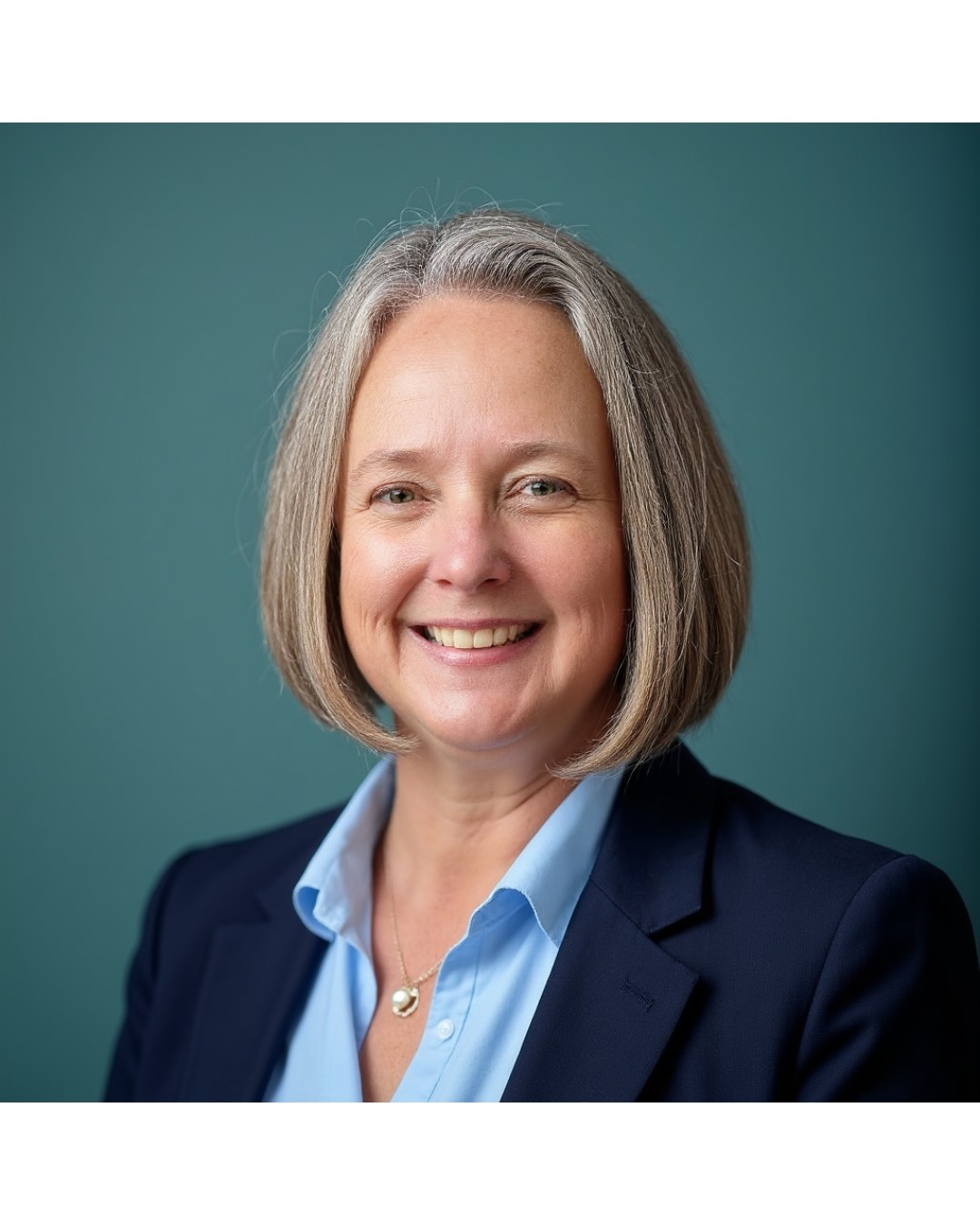
In Everything Clicks: A Story of FASD, Motherhood, and the Life I Didn’t Know I Was Living, Mary Byrnes traces the experiences that brought her from adoptive motherhood to advocacy for families affected by fetal alcohol spectrum disorder (FASD). Her debut memoir, published in September 2026, gives readers a personal account of the challenges that led her to found Harrison’s Hope, a Canadian registered charity.
Based in Stouffville, Ontario, Harrison’s Hope provides caregiver groups, education, coaching, service navigation, advocacy and other programs intended to address needs across the lifespan. Its direction reflects Mary’s lived experience as well as a professional background spanning early childhood education, business, supply chain operations and global project management.
Understanding learning and behaviour
Mary studied sociology and psychology at Western University and earned a diploma in Early Childhood Education. She began her career working with young children and families before moving into childcare leadership and serving as Principal of Queens Montessori School.
That early work gave her a foundation in child development, special needs and the different ways children learn and communicate. It also informed a perspective that would become important later: behaviour cannot be understood in isolation from a person’s abilities, environment and support needs.
Mary subsequently moved into sales, consumer packaged goods and supply chain management. She later worked in corporate program and project management at Johnson & Johnson, coordinating major global programs with manufacturing teams operating across several time zones. The role required clear communication, careful organization and the ability to keep complex work moving among people with distinct responsibilities.
Those skills now serve a different setting. At Harrison’s Hope, project management provides a framework for turning identified needs into organized programs while connecting caregivers, professionals and institutions around a shared understanding of FASD.
From navigating systems to building support
When Byrnes’s family was navigating support, she saw how hard it could be to find help that lasted as people’s needs changed. After leaving the corporate sector, she brought her experience managing complex programs to the work of making that support easier to find.
The memoir connects that experience to the work she does today with families, caregivers and professionals. It is available in paperback and on Kindle. Byrnes also offers a free virtual author Q&A to book clubs that select it.
Her experience navigating that process shaped the practical focus of Harrison’s Hope. Rather than centring support on one age or moment of crisis, the organization works from the premise that individuals and caregivers may require different forms of assistance throughout life.
Its services include free virtual caregiver support groups, a monthly guest speaker series, workshops, training, coaching and service navigation. The charity also provides advocacy and respite programs, along with FASD consulting and training for professionals and institutions working on neurodiversity and disability inclusion.
Additional work includes Rick Hansen Certified Accessibility Audits and accessibility co-design for organizations and institutions. These activities extend the charity’s focus beyond family support, inviting workplaces and service providers to consider how their own environments and practices affect accessibility.
Creating pathways through transition
Two Harrison’s Hope programs illustrate its lifespan approach. Journey’s Forward is a lived-experience youth mentorship and transition program, while Pathways Through Justice addresses another area in which informed guidance and coordinated support can be important.
Across these initiatives, a consistent theme emerges: families should not be expected to assemble complicated systems of care alone. Information matters, but so do relationships, continuity and help translating knowledge into everyday decisions.
Mary also speaks, trains, coaches and mentors, and has presented in North America and the United Kingdom. Her work includes collaboration on research and policy advocacy aimed at ensuring people with FASD and their caregivers have a role in shaping education, healthcare and social policy. This emphasis on participation recognizes lived experience as relevant to the design of the services people use.
A long-term vision for community
Mary’s vision extends to sustainable supported housing communities in Canada, with supported employment and community services built in for adults living with FASD. It is an ambitious goal grounded in a concrete concern: support needs do not disappear when a young person reaches adulthood.
Her path from education to corporate leadership and then charity building is not simply a sequence of career changes. Each stage contributes to how she approaches the work today. Knowledge of development helps her consider individual needs. Project management helps her organize complex initiatives. Lived experience keeps the work connected to the realities families face.
Through Harrison’s Hope, Mary is bringing those strands together to build FASD-informed communities designed for continuity. The guiding idea is straightforward but consequential: no family should have to navigate FASD alone.