
Member Feature
Cristina Rodriguez on Turning Operational Complexity Into Clear Action
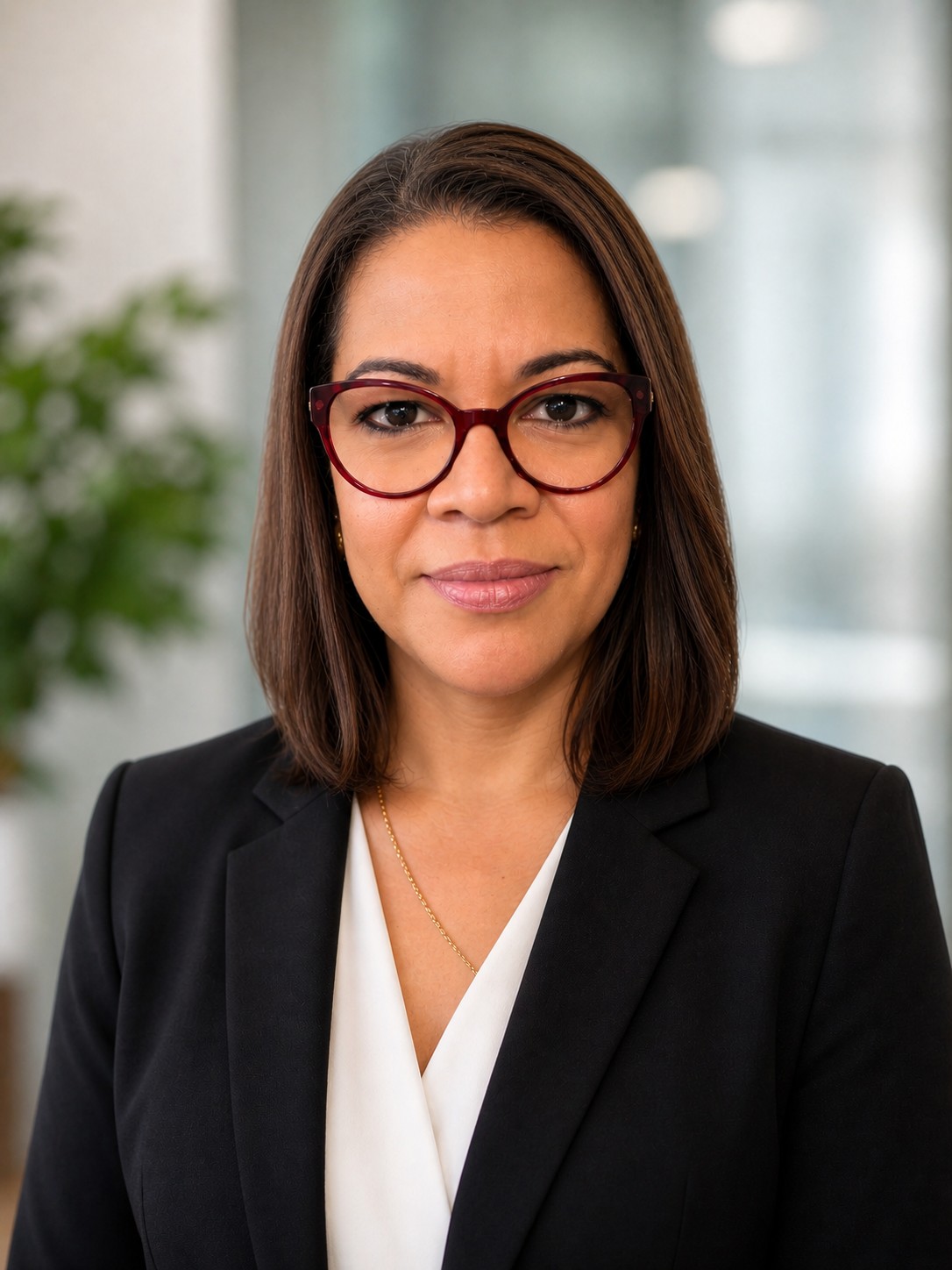
Cristina Rodriguez shares a practical leadership perspective on operational transformation, measurable performance, accountability, and helping women articulate the value of their experience.
Finding clarity inside complex operations
Cristina Rodriguez’s professional focus is operational transformation: helping organizations move from complicated, fragmented challenges toward clear priorities, measurable action, and stronger performance. Her experience spans customer operations, consumer finance, revenue operations, process improvement, and leadership development. Across those settings, she has worked at the intersection of people, processes, customer experiences, and business results.
Rodriguez’s perspective begins with a practical premise. Complex problems do not become manageable simply because they are discussed at a higher level. Leaders need to understand what outcome matters, what information can illuminate progress, where a process is failing, and who is responsible for moving the work forward. That discipline can help turn broad transformation goals into work that teams can see, measure, and sustain.
Performance measures with a purpose
A central part of Rodriguez’s approach is building effective key performance indicators. For her, KPIs are not just reporting tools. They can create a shared language for teams that need to make decisions, identify risks, and understand whether operational changes are having the intended effect.
Useful measures should connect to a defined objective rather than add volume to a dashboard. Leaders may need visibility into process speed, quality, customer impact, revenue-related outcomes, or team capacity, depending on the challenge at hand. The important work is choosing measures that clarify performance instead of distracting from it. When people understand what is being measured and why, they are better positioned to take ownership of the result.
Rodriguez also emphasizes that metrics should be paired with operating routines. A number on its own does not resolve a problem. Teams need regular opportunities to review performance, ask what is driving movement, decide what action is required, and follow through. This rhythm can make accountability more constructive by keeping attention on the work and the outcome, not on blame.
Improving processes while supporting people
Operational improvement is often described in terms of workflows, systems, and efficiency. Rodriguez’s experience also recognizes the human side of change. New processes affect the people who carry out the work, the managers who guide them, and the customers who experience the result. Sustainable change requires leaders to address each of those dimensions.
That can mean mapping a process carefully enough to identify handoffs, gaps, duplication, and unclear decision points. It can also mean listening to employees who understand the day-to-day reality of the work. The people closest to a process may see friction that is not visible in a high-level report. Bringing those perspectives into improvement efforts can strengthen both the design of a solution and the team’s confidence in adopting it.
For Rodriguez, leadership through change includes communicating the purpose of a new approach, setting expectations that are specific, and creating room for questions as teams adjust. Leaders must be able to connect strategy to execution: explaining the business need while helping people understand the practical steps that will change in their own work.
Building accountability and high-performing teams
Rodriguez is especially interested in the conditions that help teams perform at a high level. Clear goals, defined ownership, reliable processes, and accessible performance information all matter. So do coaching, development, and a leadership style that gives people the support and clarity needed to make decisions.
Accountability, in this view, is not a single conversation held when results fall short. It is an operating habit. Teams benefit when responsibilities are explicit, priorities are visible, and leaders consistently return to agreed-upon measures and commitments. This creates a foundation for addressing issues early and recognizing progress when it occurs.
Developing managers and individual contributors is also part of building durable operational capability. As responsibilities grow, people need opportunities to strengthen judgment, communication, and confidence. Strong teams do not depend on one person to solve every issue; they build the capacity to identify problems, act on data, and improve how work gets done.
Helping women name the value they bring
Beyond operational leadership, Rodriguez is passionate about helping women recognize and articulate the value of their experience. Career growth and leadership transitions can require people to translate a broad range of responsibilities into a clear account of the results they have delivered, the capabilities they have developed, and the perspective they bring to a larger role.
Her message centers on executive presence, confidence, and practical self-advocacy. Women navigating career transitions may benefit from connecting their accomplishments to business outcomes, communicating their strengths with specificity, and treating their experience as a source of leadership credibility. For Rodriguez, clarity is valuable not only in operations, but also in how professionals describe their own readiness to lead.